The psychology of casino design
Casino design plays a pivotal role in shaping player behavior, employing psychological principles to create environments that entice and retain patrons. By focusing on how colors, lighting, and layout influence mood and choices, casinos can manipulate the gambling experience. For instance, warm colors like red and gold often stimulate excitement and energy, encouraging players to stay engaged for longer periods, especially when combined with options like $10 neosurf deposit casino that enhance convenience and accessibility. This careful orchestration of the casino atmosphere is not merely aesthetic; it is a strategic effort to enhance player satisfaction and increase spending.
Additionally, the layout of a casino is meticulously planned to promote exploration and interaction. By positioning popular games in high-traffic areas and creating winding pathways, casinos encourage players to wander through the space rather than sticking to a single location. This design strategy not only increases the likelihood of players encountering new games but also fosters a social environment where players can engage with each other, thus enhancing their overall gaming experience.
The sound design within a casino also contributes significantly to player behavior. The use of upbeat music and the sounds of coins cascading can evoke feelings of excitement and anticipation. These auditory cues are crucial, as they can intensify the emotional experience of gaming. When players hear these sounds, they may feel compelled to continue playing, reinforcing their connection to the casino environment and its offerings.
The influence of layout and flow
The physical layout of a casino is designed to facilitate a specific flow that maximizes player engagement. This means that from the moment guests enter, they are subconsciously guided toward areas that encourage gambling. Entrances often feature eye-catching slot machines and bright displays to draw players in. This initial attraction sets the tone for their experience, potentially increasing the likelihood of them spending more time—and money—inside the casino.
The strategic placement of gaming tables and slot machines also plays a crucial role in maintaining player interest. By clustering games together, operators create an environment where players are more likely to migrate from one game to another, often influenced by the actions of others. This sense of community can enhance player enjoyment, as individuals feel connected to a larger group, leading to extended play sessions. Casinos often capitalize on this by designing spaces that encourage social interaction, further deepening player engagement.
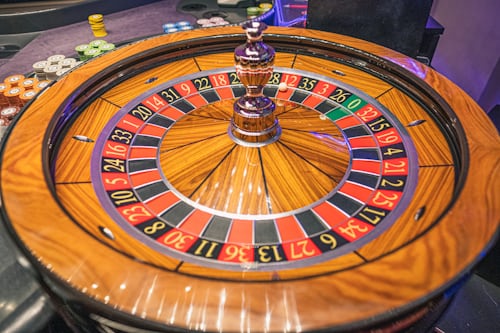
Moreover, the implementation of clear pathways ensures that players can easily navigate the casino. This reduces frustration and enhances the overall experience, encouraging them to stay longer. By minimizing barriers to movement, casinos can encourage a more fluid gaming experience, where players feel comfortable exploring different options for entertainment, thus increasing their likelihood of losing track of time while in the venue.
The role of amenities and entertainment
In addition to gaming spaces, amenities within a casino play a significant role in shaping player behavior. Dining options, bars, and entertainment venues are often integrated into the design to create a well-rounded experience for guests. For example, having a high-quality restaurant nearby allows players to take breaks without having to leave the casino, which can lead to extended playing hours. This seamless integration of amenities helps keep players on the premises, fostering an environment where they feel pampered and entertained.
Entertainment options such as live shows and music performances also contribute to player retention. When casinos offer a diverse array of entertainment, they provide reasons for guests to return, even if they are not initially interested in gambling. This cross-pollination of activities ensures that guests view the casino as a multifaceted venue, which can enhance their overall perceptions of value and enjoyment. A well-executed entertainment strategy can lead to repeat visits and a loyal customer base.
The importance of well-designed relaxation areas should not be underestimated. Comfortable seating and inviting lounge spaces give players a chance to recharge between games, which can help prolong their stay. These areas not only encourage social interactions and networking among players but also serve as a space for contemplation and decision-making. A well-thought-out relaxation space that blends comfort with elegance can enhance the overall casino experience, contributing to a positive atmosphere that encourages longer engagement.
The impact of technology on design
Advancements in technology have significantly influenced casino design and the ways in which players interact within these environments. Digital screens, interactive displays, and mobile apps are now integrated into the casino experience, providing players with real-time information and enhancing engagement. For instance, live updates on game odds or upcoming events can be displayed on screens throughout the casino, keeping players informed and generating excitement around certain games.
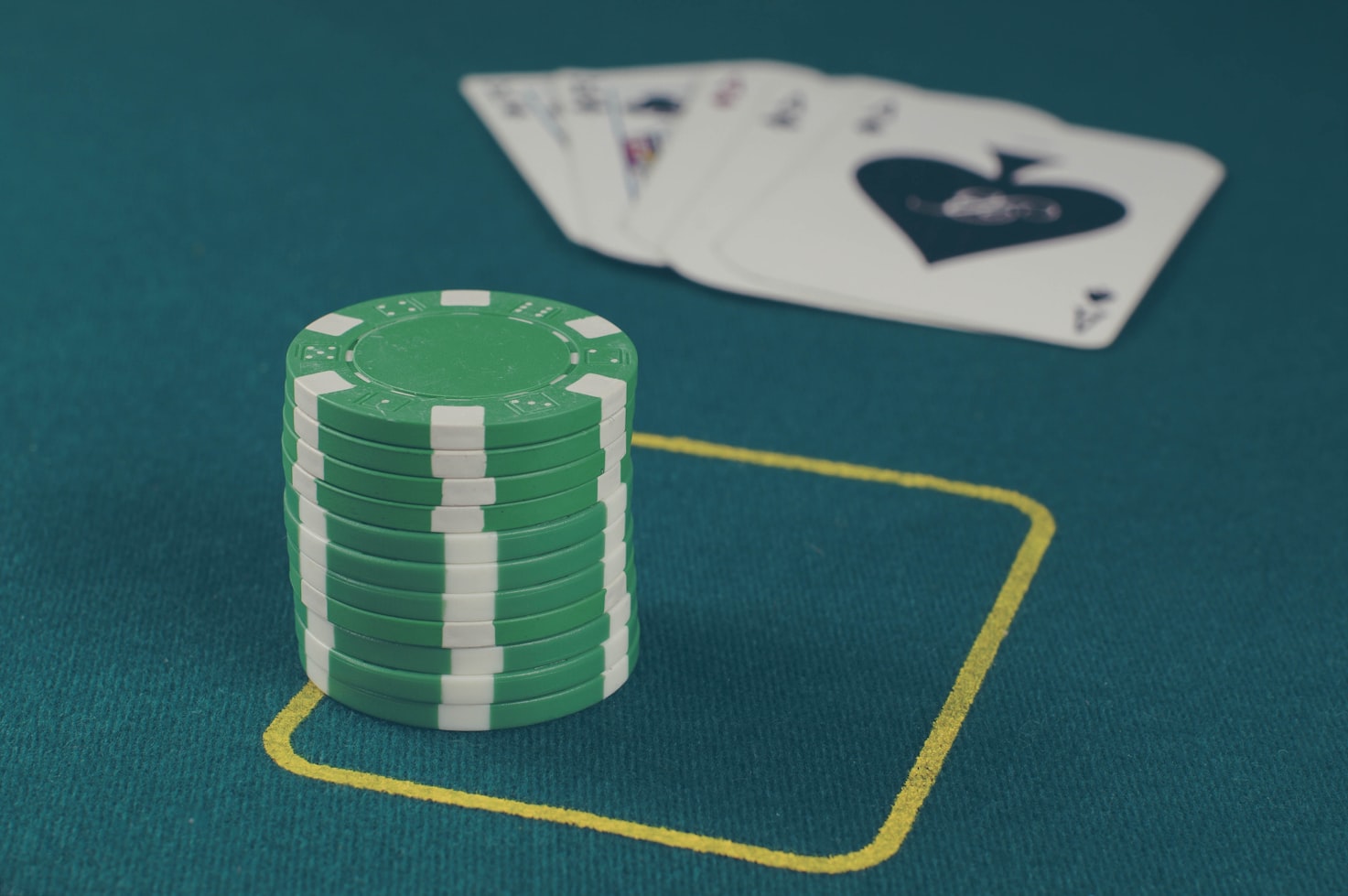
Moreover, technology enables casinos to leverage data analytics for optimizing layout and player experience. By tracking player habits and preferences, casinos can modify their designs and offerings to suit the demographic of their guests. This data-driven approach allows casino operators to create personalized experiences that resonate with individual players, thus fostering loyalty and increasing the likelihood of repeat visits.
The incorporation of virtual reality (VR) and augmented reality (AR) elements into casino design is also an emerging trend. These technologies can create immersive experiences that captivate players, setting a new standard for entertainment within casinos. By offering unique gaming experiences that are both visually stunning and engaging, casinos can appeal to a broader audience, including younger generations who may prefer interactive and technologically driven forms of gambling.
Understanding casinos and their customer engagement strategies
The world of casinos is constantly evolving, with design playing a crucial role in how they engage with customers. The strategic approach to designing casino spaces not only impacts player behavior but also shapes overall experiences that can lead to increased satisfaction and loyalty. By understanding the nuances of casino design, operators can create environments that encourage players to spend more time and money while enjoying their gaming experiences.
As the casino industry continues to innovate, the synergy between design, technology, and player engagement will remain a focal point. Future casinos will likely incorporate more advanced technologies and design strategies that further enhance player interactions and satisfaction. Understanding these dynamics will be essential for casino operators aiming for sustained success in a competitive market.
Ultimately, the interplay of design elements and player behavior is a fascinating study that reveals how physical space influences human interaction and decision-making. Through careful design and strategic planning, casinos can create vibrant spaces that not only attract but also retain customers, ensuring a thriving business model that benefits both the operators and the players alike.