The Allure of Gambling: Understanding the Attraction
The allure of gambling in casinos often stems from a complex interplay of psychological factors. For many, the excitement of wagering money on uncertain outcomes creates a thrill that is hard to resist. This rush of adrenaline can trigger the brain’s reward system, releasing dopamine—a neurotransmitter associated with pleasure and satisfaction. This biochemical reaction reinforces gambling behavior, making it a captivating experience for players, who may find themselves chasing the high of a win, even if they face losses while exploring options like online casino uk fast withdrawal that enhance their gaming experience.
The environment of the casino itself amplifies this psychological draw. With vibrant colors, flashing lights, and captivating sounds, casinos are designed to stimulate the senses. This sensory overload is intentional, drawing players into a world where time seems to fade away and the outside world becomes distant. By creating an immersive atmosphere, casinos can heighten emotions, encouraging patrons to spend more time and money than they originally planned.
Moreover, social dynamics also play a significant role in the appeal of gambling. Many individuals enjoy the camaraderie that comes from playing games in a lively setting. The presence of other players can create a sense of community, regardless of the friendly competitiveness that may arise. Casinos often capitalize on this by offering multiplayer games that foster interaction, enhancing the emotional experience and contributing to the addictive nature of gambling.
The Psychological Mechanisms Behind Gambling Addiction
Gambling addiction is a serious issue that many individuals face, and it can be understood through various psychological principles. One of the main drivers is the concept of variable reinforcement, where players receive rewards at unpredictable intervals. This randomness can make gambling highly addictive, as players are more likely to continue playing in hopes of experiencing those elusive wins. The unpredictability of outcomes plays into this mechanism, creating a cycle of anticipation and excitement that keeps players returning for more.
Cognitive distortions also contribute to gambling addiction. Many players may fall prey to the illusion of control, believing they can influence the outcome of games based on skill or strategy, even in games dominated by chance. Such beliefs can lead to poor decision-making and increased financial risk, as the player continues to gamble in pursuit of a perceived mastery over the game. This misperception can further entrench individuals in their gambling habits, making it challenging to break free from the cycle of addiction.

Social factors also influence the propensity for gambling addiction. Individuals who are exposed to family members or peers who gamble may be more likely to adopt these behaviors themselves. The normalization of gambling can create an environment where it is seen as an acceptable or even a desirable pastime, further perpetuating the cycle of addiction. Understanding these psychological mechanisms is crucial for developing effective prevention and treatment strategies for gambling addiction.
The Role of Emotion in Gambling Behavior
Emotions play a pivotal role in gambling behavior, influencing decision-making and potentially leading to risky choices. Many gamblers experience a rush of excitement when gambling, which can cloud their judgment. The emotional highs and lows that accompany gaming can create a rollercoaster of feelings, from euphoria during wins to frustration during losses. This emotional turbulence can lead players to chase losses or make impulsive bets, often resulting in a cycle of increased gambling activity.
The concept of “loss aversion” is particularly relevant in this context. Research shows that individuals tend to feel the pain of losses more acutely than the pleasure derived from equivalent gains. Consequently, gamblers may become fixated on recovering lost money, leading to an escalation in their gambling activity. This emotional confrontation with loss can create a vicious cycle where individuals invest more time and resources in an attempt to “win back” their losses, often leading to deeper financial troubles.
Additionally, the concept of escapism plays a crucial role in gambling behavior. For some individuals, gambling serves as an escape from stress, anxiety, or everyday troubles. The allure of entering a world of potential riches can provide a temporary refuge from life’s challenges, motivating individuals to gamble even when they are aware of the risks involved. This emotional connection to gambling can make it difficult for players to recognize when their behavior has become problematic, further complicating efforts to seek help.
The Influence of Casino Design on Player Psychology
The design of casinos is meticulously crafted to influence player behavior and enhance the overall experience. From layout to lighting, every aspect is intended to keep players engaged. For instance, the absence of clocks and windows creates an environment where individuals lose track of time, often leading to longer gambling sessions than initially intended. This can have profound effects on players’ spending habits, as they may remain unaware of how much money they are wagering over an extended period.
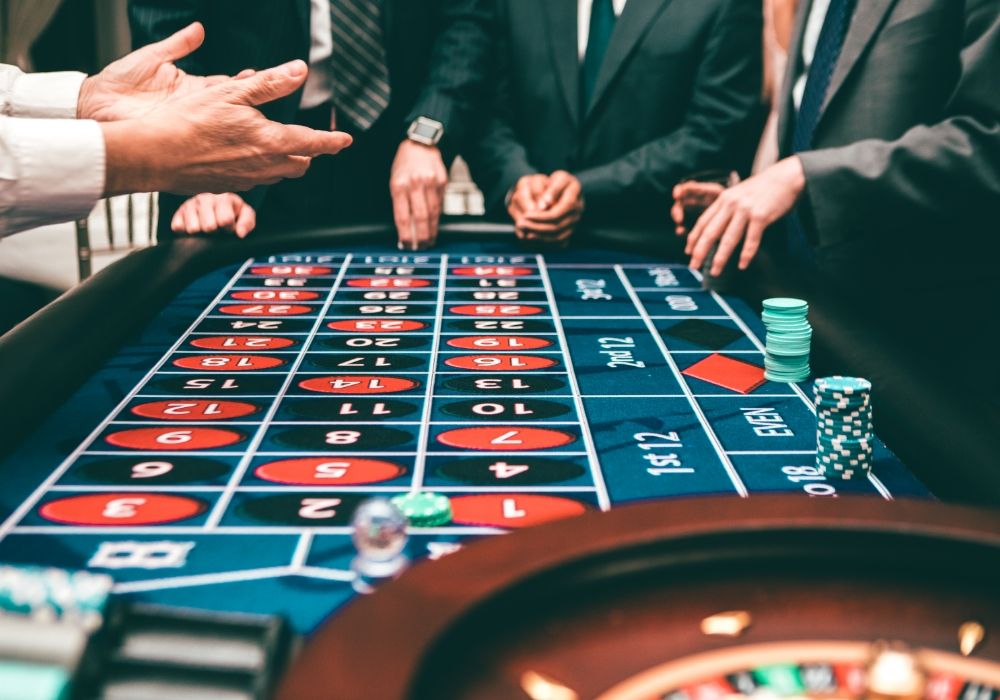
Moreover, the arrangement of gaming machines and tables is strategically planned to maximize exposure to potential players. High-traffic areas often feature the latest slot machines or popular games, drawing in foot traffic and encouraging impulse gambling. The placement of amenities like bars and restaurants further entices players to extend their visits, providing them with additional opportunities to gamble. This careful orchestration of space demonstrates how casinos harness psychological cues to enhance player engagement and spending.
Sound and visual stimuli also play critical roles in a player’s experience. The sounds of spinning reels, cash registers, and other winning cues create a stimulating ambiance that can reinforce the feeling of success. Players often associate these auditory signals with their chances of winning, further enticing them to continue playing. In this way, casino design not only creates an enjoyable atmosphere but also manipulates psychological factors to maximize player retention and spending.
Responsible Gambling and Seeking Help
Understanding the psychology of gambling is crucial for promoting responsible gaming practices. Awareness of the mental and emotional factors that lead to gambling can empower individuals to make informed decisions. Many casinos and gaming establishments are increasingly integrating responsible gaming initiatives, providing resources and tools to help players monitor their habits and maintain control over their gambling activities. These measures serve as a proactive approach to mitigate the risks associated with gambling.
For those struggling with gambling addiction, support systems are available. Organizations and helplines are dedicated to offering assistance, counseling, and education to affected individuals. These resources aim to provide help not only to gamblers themselves but also to educate friends and family about the signs of gambling addiction. Through awareness and education, communities can foster environments that prioritize responsible gambling and encourage individuals to seek help when needed.
Ultimately, understanding the psychology behind gambling behavior can lead to more effective prevention and treatment strategies. By addressing both the individual and environmental factors that contribute to gambling addiction, society can work towards minimizing its negative impacts. Encouraging healthy gambling habits requires a collective effort from individuals, communities, and organizations to ensure that gambling remains an entertaining experience rather than a devastating vice.