The allure of uncertainty
The concept of risk is inherently intriguing; it invites a mix of excitement and fear. This duality is what makes casino games so compelling for many players, especially when considering options like $10 neosurf deposit casino . The uncertainty of not knowing if one will win or lose taps into the psychological thrill of gambling. Players often find themselves exhilarated by the unpredictability of outcomes, which can amplify their enjoyment, even if it also brings anxiety. This complicated relationship with risk is central to the appeal of gaming environments where chance reigns supreme.
Moreover, this thrill can be attributed to a basic human instinct—the quest for novelty and stimulation. When individuals engage with risk, their brains release dopamine, a neurotransmitter linked to pleasure and reward. This chemically induced rush is similar to what occurs during moments of intense excitement or even extreme sports. As casino games present frequent opportunities for wins or losses, they keep players engaged, making the experience feel dynamic and exhilarating. This constant oscillation between hope and despair is what many seek whenever they step into a casino.
Another aspect that contributes to the allure of uncertainty is the cognitive bias known as the “gambler’s fallacy.” Players often believe that past events influence future outcomes in random games. For example, a player might think that a slot machine is “due” for a win after a series of losses. This line of thinking adds an intriguing layer to the decision-making process, as players may feel compelled to take risks in the hope of reversing their fortunes. This psychological phenomenon plays into the overall love for casino games, demonstrating how our perceptions can distort reality and influence our choices.
The thrill of winning
The psychological reward derived from winning in a casino setting is unlike any other. The moment a player hits a jackpot or wins a hand can trigger an intense emotional response that elevates their mood. This high is not merely due to the monetary value of the win; it taps into deeper psychological needs for validation, success, and accomplishment. Winning creates a sense of euphoria that can cloud judgment and spur further engagement with the game. Players may then chase this feeling, hoping to recreate the adrenaline rush that comes with victory.
In many ways, winning in a casino serves as a tangible representation of skill or luck, reinforcing one’s self-esteem. Players can feel empowered by their ability to make strategic decisions that lead to a positive outcome, fostering a sense of agency in their lives. This empowerment amplifies their emotional investment in the game. Consequently, this combination of financial gain and psychological satisfaction often leads to repeated visits, as players strive to sustain those high feelings long after they leave the gaming floor.
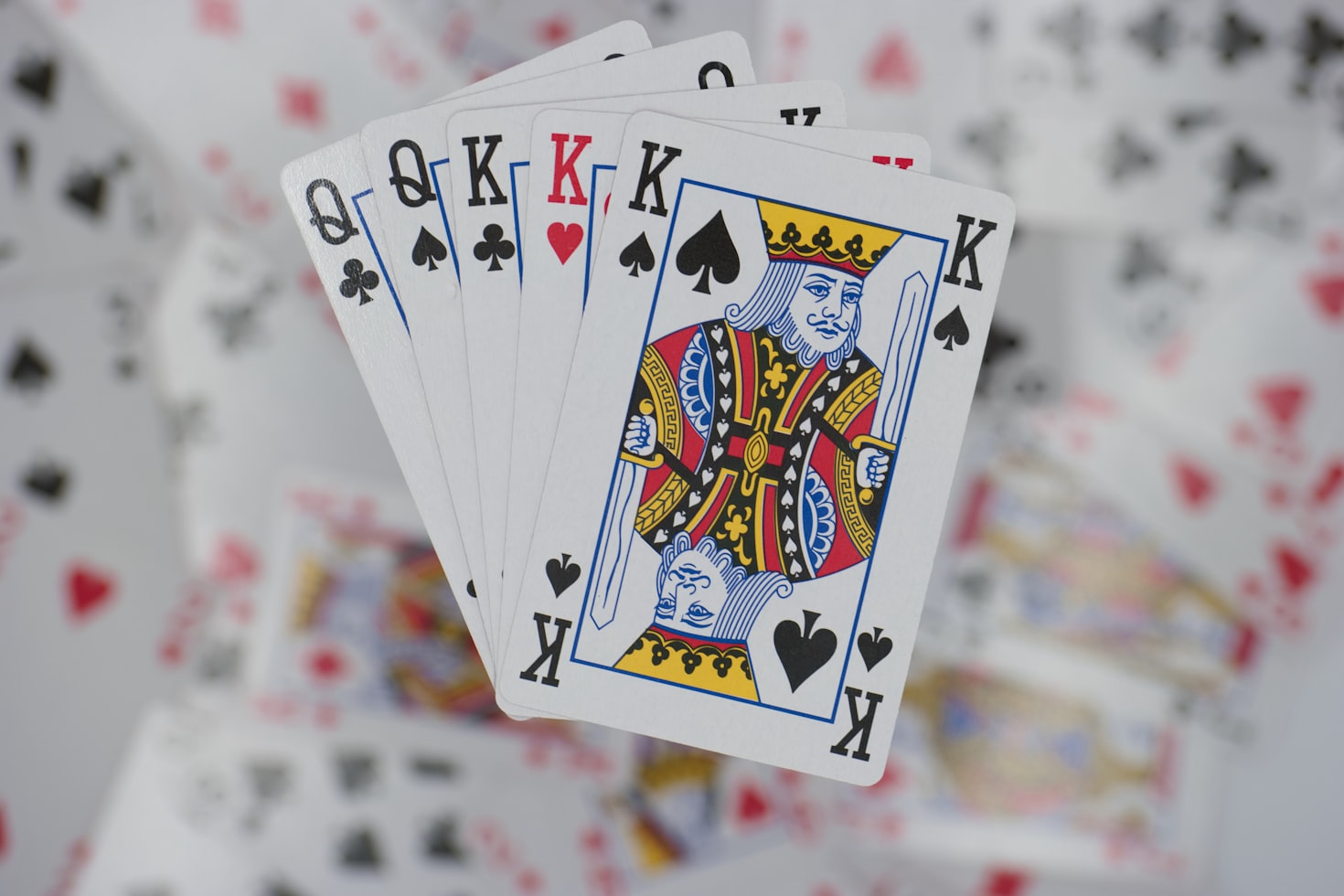
However, this pursuit of victory can also lead to compulsive behaviors. The reinforcement of winning can create a cycle where players continue to gamble in hopes of maintaining that euphoric feeling. This cycle can lead to financial and emotional consequences, as the desire to win can overshadow the risks involved. Understanding these psychological dynamics is crucial for both players and casino operators, who must recognize the delicate balance between entertainment and the potential for addiction within their establishments.
The social aspect of gambling
Casino games are not solely an individual pursuit; they also offer an opportunity for social interaction. The communal experience of playing can enhance the enjoyment of the game, fostering camaraderie among players. Whether it’s at a poker table or around a slot machine, the shared experience often leads to conversations, laughter, and even friendly competition. This social engagement can create memories and relationships, further enriching the casino experience, making it less about the games and more about the shared encounters.
The social environment of casinos can also create a sense of belonging, drawing people to return not just for the games but for the community they form. These social bonds can make players more likely to take risks, as they share their experiences and strategies with fellow gamblers. As they engage with one another, they may feel more encouraged to try their luck, even when they are aware of the inherent risks involved. This layer of social psychology is crucial in understanding the allure of casino games and their broader cultural significance.
In addition, many casinos host events that enhance the social experience, such as tournaments and themed nights. These activities often attract players who enjoy the thrill of competition and the opportunity to connect with others. Such events can deepen players’ investment in the games, making the emotional rewards associated with winning even more profound. The camaraderie fostered in these settings reinforces the appeal of risk-taking in casino games, transforming it into a social spectacle that captivates a diverse audience.
The role of marketing and design
The environment of a casino plays a pivotal role in shaping the player’s psychological experience. The design elements—from the layout to the sounds and lighting—are meticulously crafted to create an immersive atmosphere that is both thrilling and inviting. Bright lights, engaging sounds, and the absence of clocks encourage players to lose track of time, enticing them to stay longer and spend more. This strategic design taps into the psychological desire for stimulation and adventure, enhancing the appeal of casino games.
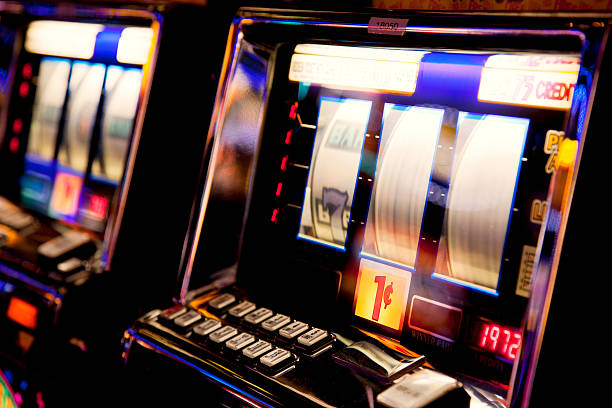
Moreover, marketing tactics within casinos often exploit the excitement surrounding risk. Promotions, bonuses, and loyalty programs are designed to create a sense of urgency and encourage players to engage in riskier behaviors. By marketing the thrill of winning and the possibility of dramatic payouts, casinos attract a broad demographic eager to chase that feeling. This interplay of design and marketing creates an environment where individuals feel not only entertained but also compelled to immerse themselves in risk-laden activities.
The influence of these marketing strategies cannot be underestimated; they serve to amplify the thrill associated with gambling. By framing risk-taking in a favorable light, casinos can effectively motivate players to engage more deeply with their games. This dynamic relationship between design, marketing, and player psychology is crucial for understanding how casinos maintain their allure and keep players returning in pursuit of greater risks and rewards.
Engaging responsibly in the world of risk
As enticing as casino games may be, it is essential for players to approach them with mindfulness and restraint. Understanding the psychology of risk can empower individuals to make informed choices while enjoying their experience. Education on responsible gambling practices, such as setting limits and recognizing signs of compulsive behavior, can enhance the enjoyment of gaming while minimizing potential pitfalls.
Many casinos now promote responsible gaming initiatives to help players maintain a healthy relationship with risk. These programs offer resources and support for those who may struggle with the psychological aspects of gambling. By fostering a culture of awareness and responsibility, the gaming industry acknowledges the complexities of human behavior and the need to balance enjoyment with caution. This proactive approach can create a safer environment for everyone involved.
Ultimately, understanding the psychology behind why we love casino games allows players to appreciate their experiences more fully. By recognizing the thrill, social interactions, and marketing strategies at play, individuals can engage with these games in a more conscious and balanced way. This knowledge cultivates a healthier relationship with risk, paving the way for a more enjoyable and sustainable gaming experience.